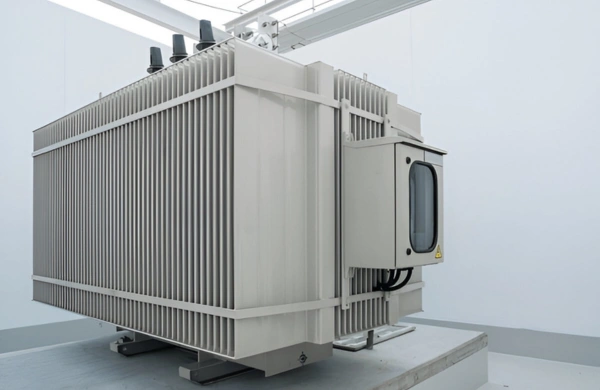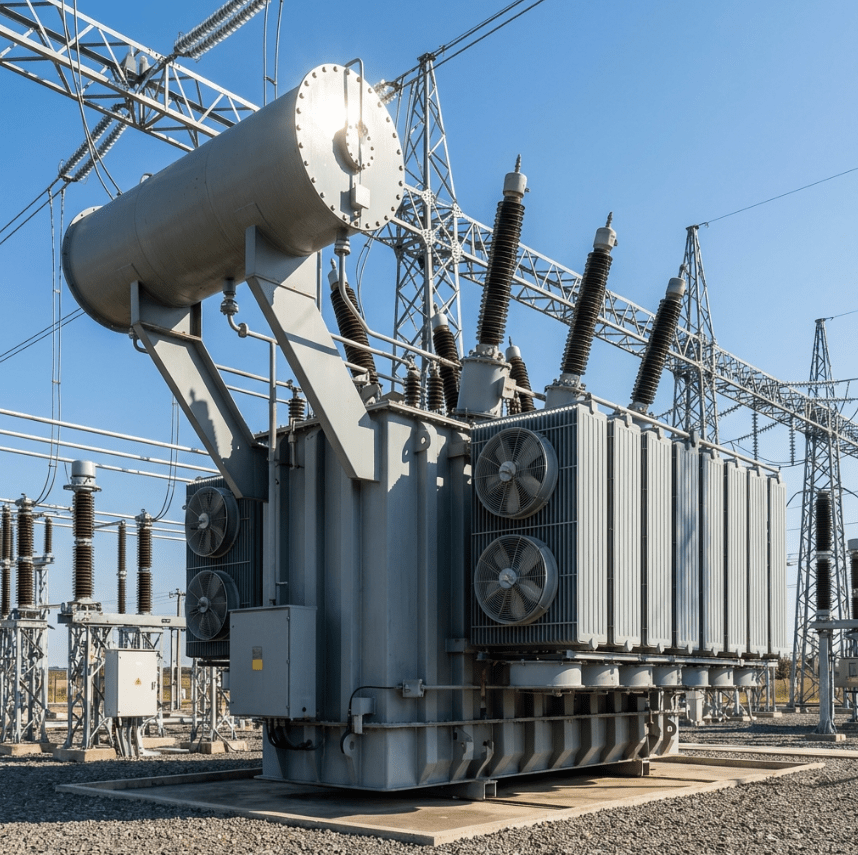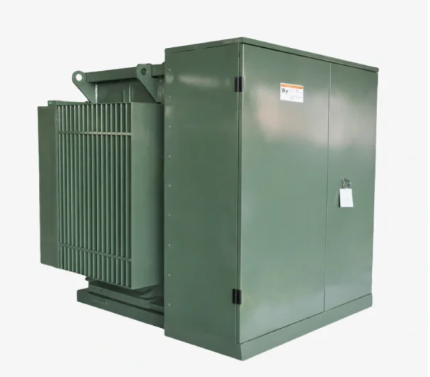
Cast Resin-Encapsulated Dry-Type Transformers
Long Service Life
Warranty and Technical Support
Fast Delivery
International Certifications
Cast Resin-Encapsulated Dry-Type Transformers
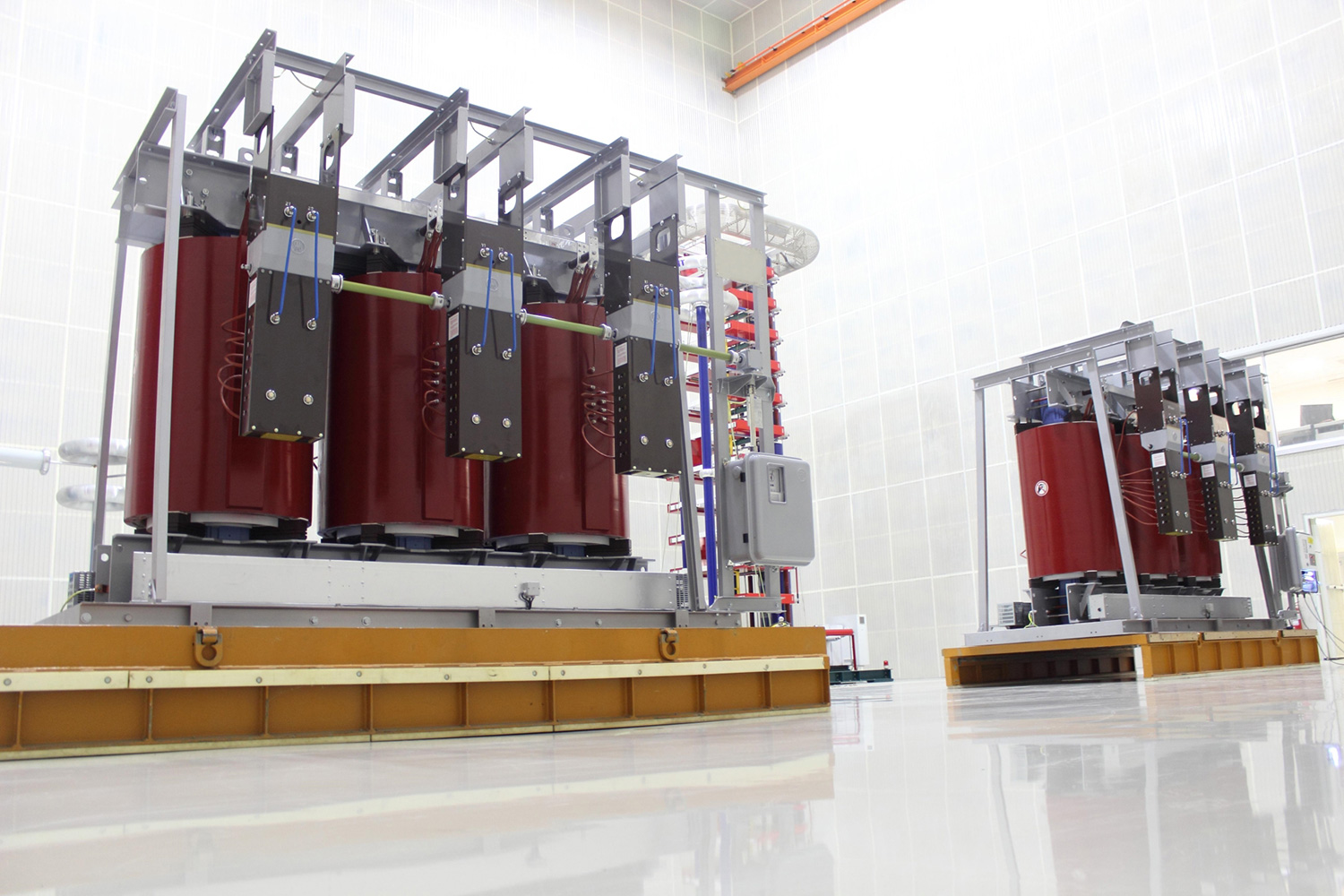
Cast resin dry-type transformers can be manufactured up to 25 MVA with a maximum voltage of 36 kV. These transformers can be produced in thermal classes F or H, depending on customer specifications and requirements.
Two main technologies are used in manufacturing:
- Vacuum cast resin encapsulation with fiberglass
- Cast resin encapsulation with quartz technology
Both technologies are based on German engineering and enable the production of reliable, high-performance transformers, supported by a specialized technical team.
With years of experience in the sector, transformers are designed and manufactured in accordance with Eco Design standards.
Following the approval of the Kyoto Protocol, the European Union established ambitious environmental targets, including:
- Reduction of 20% in energy consumption
- Increase of 20% in renewable energy generation
- Reduction of 20% in greenhouse gas emissions
To meet these goals, the concept of “Eco Design Transformer” has been developed, with the main objectives of:
- Reducing transformer losses
- Significantly improving efficiency
- Partial discharge level: < 5 pC (long service life)
Compared to oil-immersed transformers, dry-type transformers offer:
- Minimal fire risk in public spaces
- No toxic substances released in case of fire
- Greater environmental friendliness (no oil or leakage)
- Reduced space requirements
- Maintenance-free operation
- Indoor and outdoor transformer substations
- Industrial installations and refineries
- Metro systems
- Oil platforms
- Power plants
- Schools
- Hospitals
- Airports
- Shopping centers
- Wind farms
- Reduced cabling costs due to installation close to the load
- Low noise level
- Non-flammable and self-extinguishing
- Less space required compared to oil transformers
- No maintenance required
- Moisture-resistant windings
- No drying required after long periods of inactivity
- On-site winding replacement capability
- Power increase up to 40% through forced ventilation
- Environmentally friendly (no toxic components)
Transformers are manufactured in accordance with customer specifications and international standards such as:
IEC 60076-11, NEMA ST 20, BS EN 50541-1, CSA C9-02, IEEE C57.12.01, VDE 0532 / DIN 42523, TS 267, among others.